
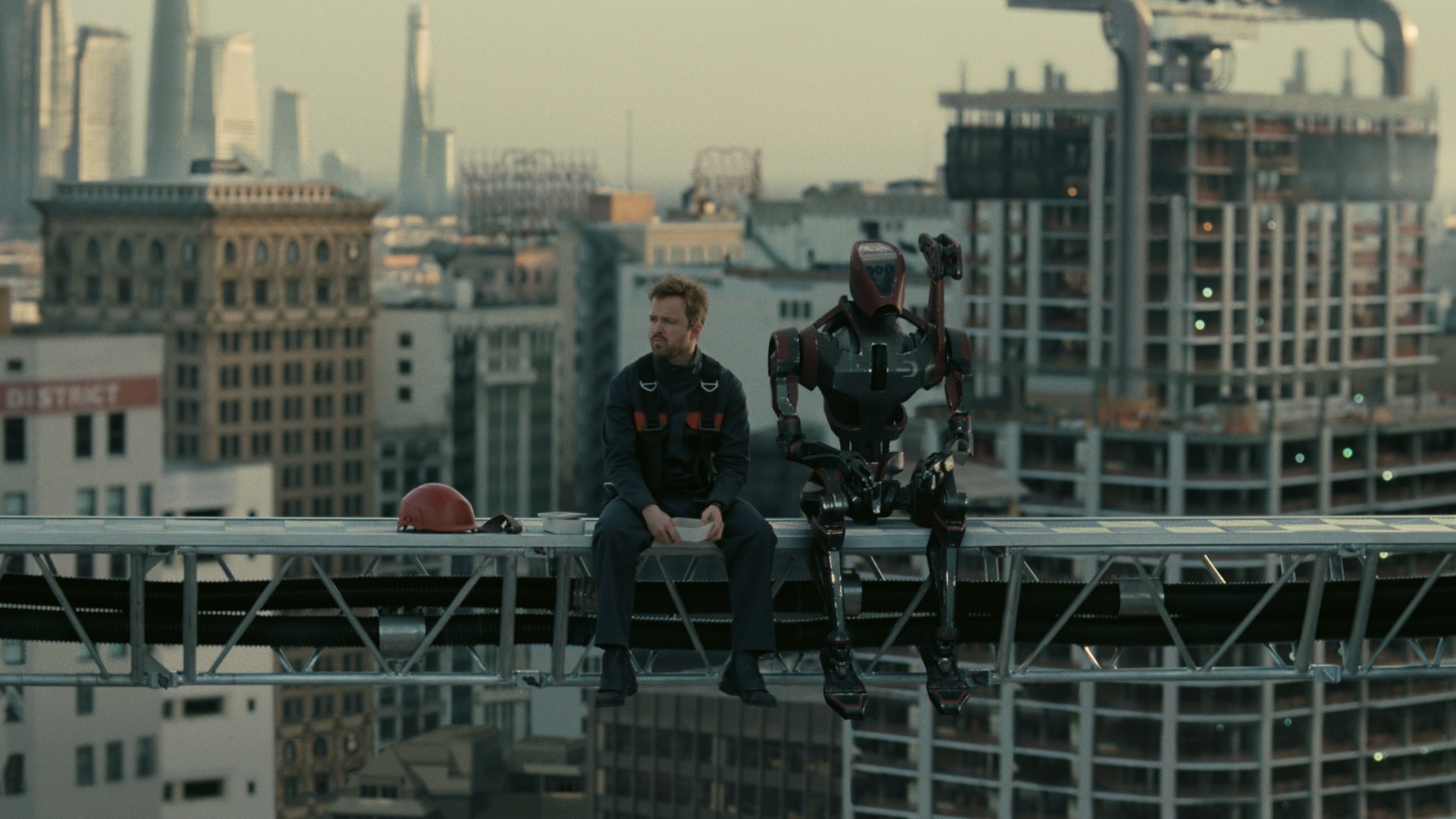
When you watch a blockbuster film filled with fire-breathing dragons, alien worlds, or epic battle scenes with thousands of characters, you’re witnessing the incredible work of the Visual Effects (VFX) Department. This team of artists, technicians, and supervisors brings the impossible to life, blending imagination with cutting-edge technology to create visuals that captivate audiences around the world.
The Visual Effects Department
The Visual Effects Department is where the real world meets the digital realm. VFX artists take footage captured on set and enhance it with computer-generated imagery (CGI), creating scenes that would be too dangerous, expensive, or outright impossible to film in real life, such as dinosaurs roaming, cities crumbling, or immense crowds populating battlefields.
Using a mix of artistic vision and technical prowess, VFX professionals craft everything from subtle environmental enhancements to full-scale digital worlds. Their work is essential in modern filmmaking, especially in genres like science fiction, fantasy, and action.
Key Roles in the Visual Effects Department
The VFX department is made up of a diverse range of roles, each contributing a unique skill set to the final product. Here’s a breakdown of some of the key positions:
Creative & Supervisory Roles
- VFX Supervisor: Oversees the entire visual effects process, ensuring the director’s vision is realized.
- VFX Producer: Manages budgets, schedules, and resources, keeping the project on track.
- VFX Coordinator: Handles day-to-day operations.
Artistic & Technical Roles
- Concept Artist: Visualizes ideas, environments, and characters before production begins.
- 3D Modeler: Builds digital representations of characters, props, and environments.
- Texture Artist: Adds surface details to 3D models for realism.
- Rigging Artist: Creates the digital skeletons that allow models to move.
- FX Artist: Specializes in dynamic simulations like fire, smoke, and explosions.
Technical & Support Roles
- Pipeline TD (Technical Director): Develops and maintains tools and workflows for efficient production.
- Render Wrangler: Oversees the rendering process to ensure timely delivery of frames.
Specialized Roles
- Look Development Artist: Defines the visual style of assets, including shaders and materials.
- Environment Artist: Constructs digital landscapes and settings.
- Crowd Artist: Simulates large groups of characters or objects using specialized software.
Check out Screen Skills for even more roles in this ever evolving domain.
Why It Matters
Visual effects are storytelling tools, allowing filmmakers to push the boundaries of imagination, immerse audiences in new worlds, and provide the means for narratives that would otherwise be impossible. VFX also plays a crucial role in safety and cost-efficiency, enabling productions to simulate dangerous stunts or expensive locations digitally.
As the demand for high-quality content grows across film, television, and streaming platforms, the VFX industry continues to evolve, offering exciting career paths that blend creativity with technology. Whether you’re an aspiring artist, a tech enthusiast, or someone curious about the magic behind the scenes, the Visual Effects Department is itself a fascinating world.
Featured image: Westworld Season 3. Image courtesy of DNEG © 2020 Home Box Office, Inc.