
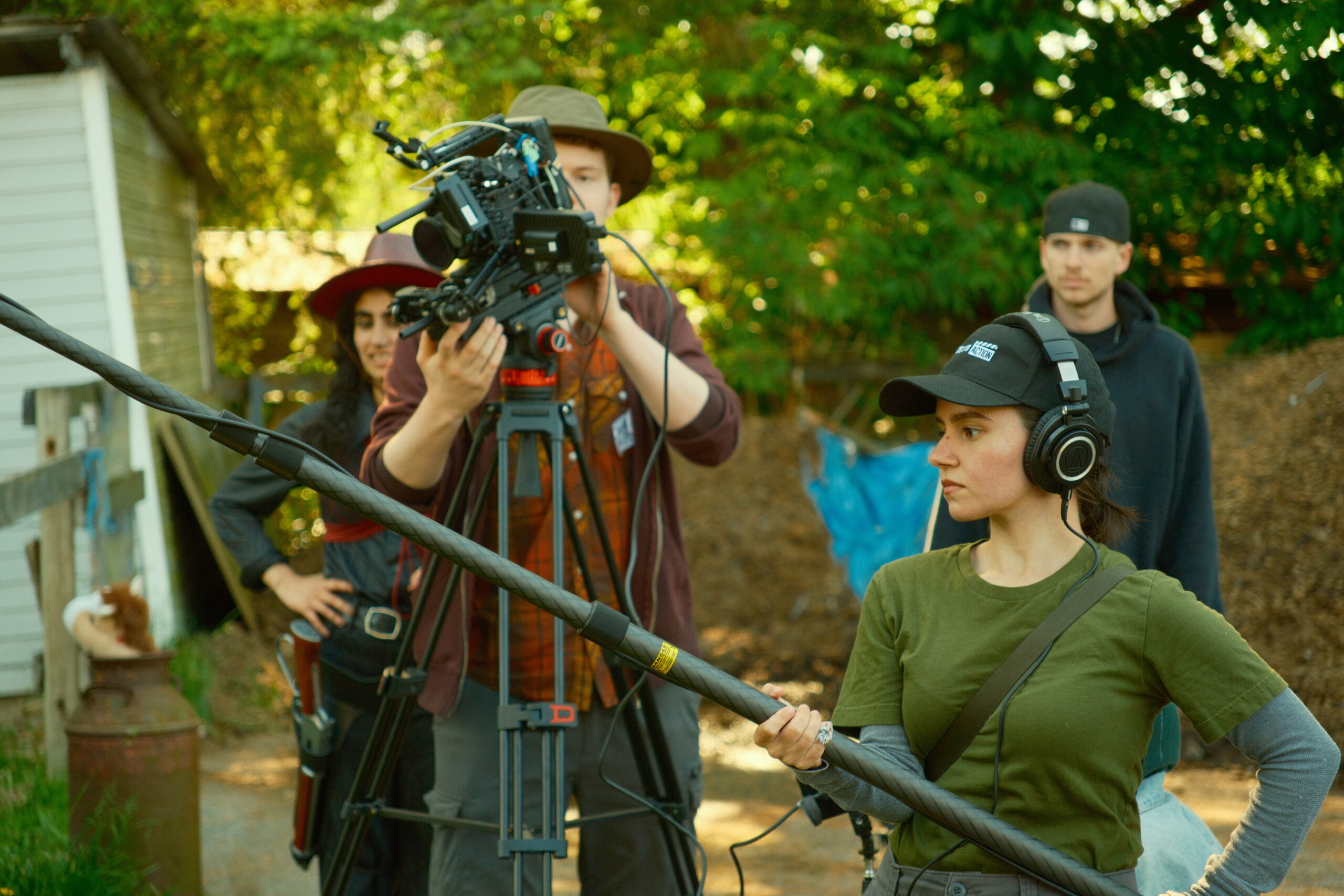
There’s no fixed route into film and television, especially when you graduate into a global pandemic and find your footing during a historic industry shutdown. For one Vancouver-based creative, those early hurdles didn’t deter, they became the groundwork for a flexible, multidisciplinary career built on persistence, curiosity, and a deep respect for the collaborative engine that powers every production.
With hands-on experience across directing, screenwriting, sound, and production logistics, they’ve charted a course that reflects both the realities and the possibilities of breaking into the screen industry today. We sat down with program alumni Tina Nowarre to discuss how programs like Creative Pathways™ and Setwork shaped their journey, and what they’d say to anyone just starting out.
What has your journey into the world of film and TV looked like?
My journey into the world of film and tv in Vancouver has been a rewarding albeit tricky one. Having completed film school during COVID, then graduating into the uncertainty of the film strikes and global climate, timing has been challenging, but it has taught me about the resilience of the indie and commercial film industry in this city. I liken my experience to something of a ‘filmmakers’ bootcamp’, as the very beginning of my career has been peppered with obstacles that have only taught me to be adaptable and open-minded, which I find is a benefit in this industry! I’ve been fortunate enough to find programs like Creative Pathways™, Setwork, and Warner Bros. Access to Action, which have all been unparalleled resources for someone starting out in a particularly complex time.
Tell us about your experience with Creative Pathways™ and how it helped you along the way.
My experience with Creative Pathways™ has been exceptionally positive, and I cannot recommend them enough as a resource and base for all of your industry queries or concerns. Whether it be the updates about in-person networking events for other program participants and BC film workers or newsletters regarding relevant work opportunities or training sessions, I’ve thoroughly enjoyed being part of a community that feels embracing, supportive, and up-to-date on what’s happening in the city’s workforce. Not to mention the open door to communication whenever I’m looking for clarity on any topic!
In your view, why does a program like Setwork matter to the future of the film and TV industry?
In my opinion, programs like Setwork are invaluable and key to the success and growth of the industry in Vancouver, and in the industry in general. Having a concise, approachable program that simplifies what can often become the overwhelming process of searching for entry-level work is such a stellar opportunity and one that I believe more people with an interest in this career should have access to. I’ve gotten some work days through Setwork, all of which were very positive, seamless experiences, and I find that having any sort of support in the very beginning of your film journey can make all the difference in how you view the industry. Film can feel like a massive, unreachable world, but it’s programs like Setwork that lower that pedestal and open the door wide enough for the work to feel attainable and, most importantly, rewarding and sustainable.
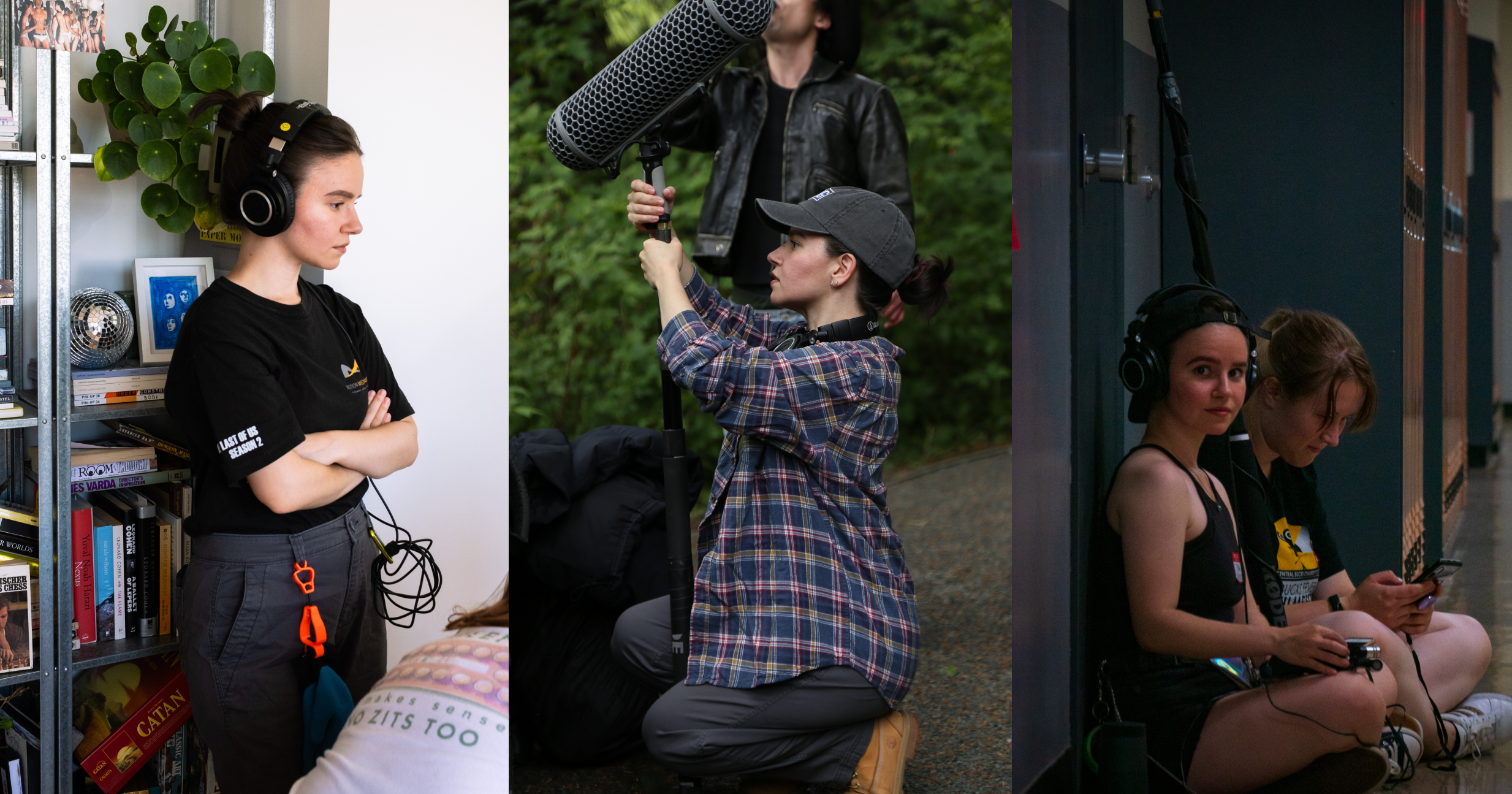
You have worked across several disciplines in film, including directing, screenwriting, sound, and production. Which of these roles do you find most fulfilling?
As someone who regularly works a myriad of positions, including directing, screenwriting, sound, and locations, I’ve found that having a good foundation in a multitude of positions and departments has only ever acted as a benefit to my work ethic and my knowledge across the board. I think that’s a key element to working in film long-term, having at least a base knowledge across departments to really understand the value of all the cogs in the machine. I find all of my disciplines to be rewarding in different ways, so it’s difficult to pinpoint which is the most fulfilling. Off the top of my head, I find my work in location sound and sound design to be incredibly gratifying because quality sound is the pillar of a great film. Sound feels like its own subplot to any story, as it carries a narrative and a tone that can completely shift the audience’s experience. Though of course, I do also love screenwriting and directing my own work, and I find that collaboration with a group of skilled creatives immensely enriching. And honourable mention to being a locations PA, the unsung heroes of all productions, if that doesn’t sound too pompous, but man, working with a strong locations department on a complex show is unmatched–as trivial as some tasks may seem, they all act as oil to the vast mechanics and wheels of a production.
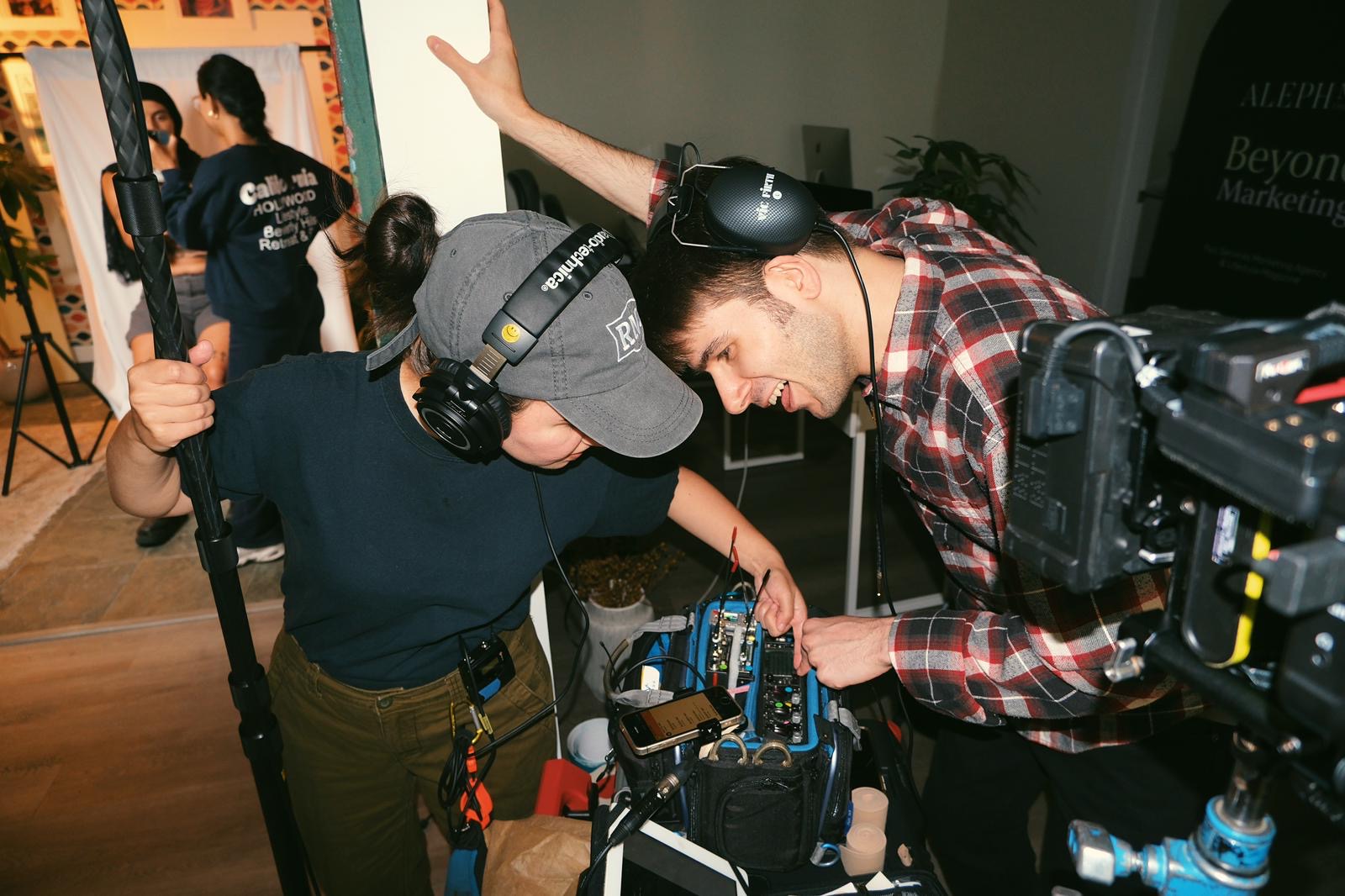
How has that process shaped the way you collaborate on set?
As previously mentioned, I find that my multiple disciplines across departments shape the way I view the collaborative process of filmmaking, and I find that I have a stronger understanding of expectations, time management, and what’s needed to support a solid day of work. My sound work helps me be a better locations PA, as there are more things on my radar that I can flag if needed having been in the sound recordist position, and my work as a locations PA makes me a better director because I can quickly delegate tasks that are relevant and supportive, and I have a stronger grasp of the cadence of an effective production. And of course, all of these positions improve my writing because there is an endless bounty of life experiences, diverse characters, and inspiration to draw from simply observing and absorbing the wildly intricate, ever-fascinating, and unparalleled world of a film set.
What would you say to someone who’s thinking about starting a career in film and TV?
Something that I would say to someone looking to start a career in film and tv is that as long as you’re a personality that enjoys the process and progression of building up to where you want to be, it’s an extremely fulfilling path. Most everything in film, from what I’ve experienced, is playing the long game and working towards a personal or career goal, and that’s unique to every individual. I think there’s a beauty in that process, and there is so much to experience and adapt to along the way that it turns into an exercise of personal growth, and if you’re someone who thrives in a social, rapid-paced, and often deliriously creative environment, a career in Film & TV is a fabulous choice.
Learn more about Setwork and Creative Pathways™ programs here.