
Stories matter. Who tells them and makes them matters just as much. Beyond entertainment, storytelling deepens our sense of self, influences our sense of belonging, shapes how we relate to others, and encourages us to explore and embrace difference.
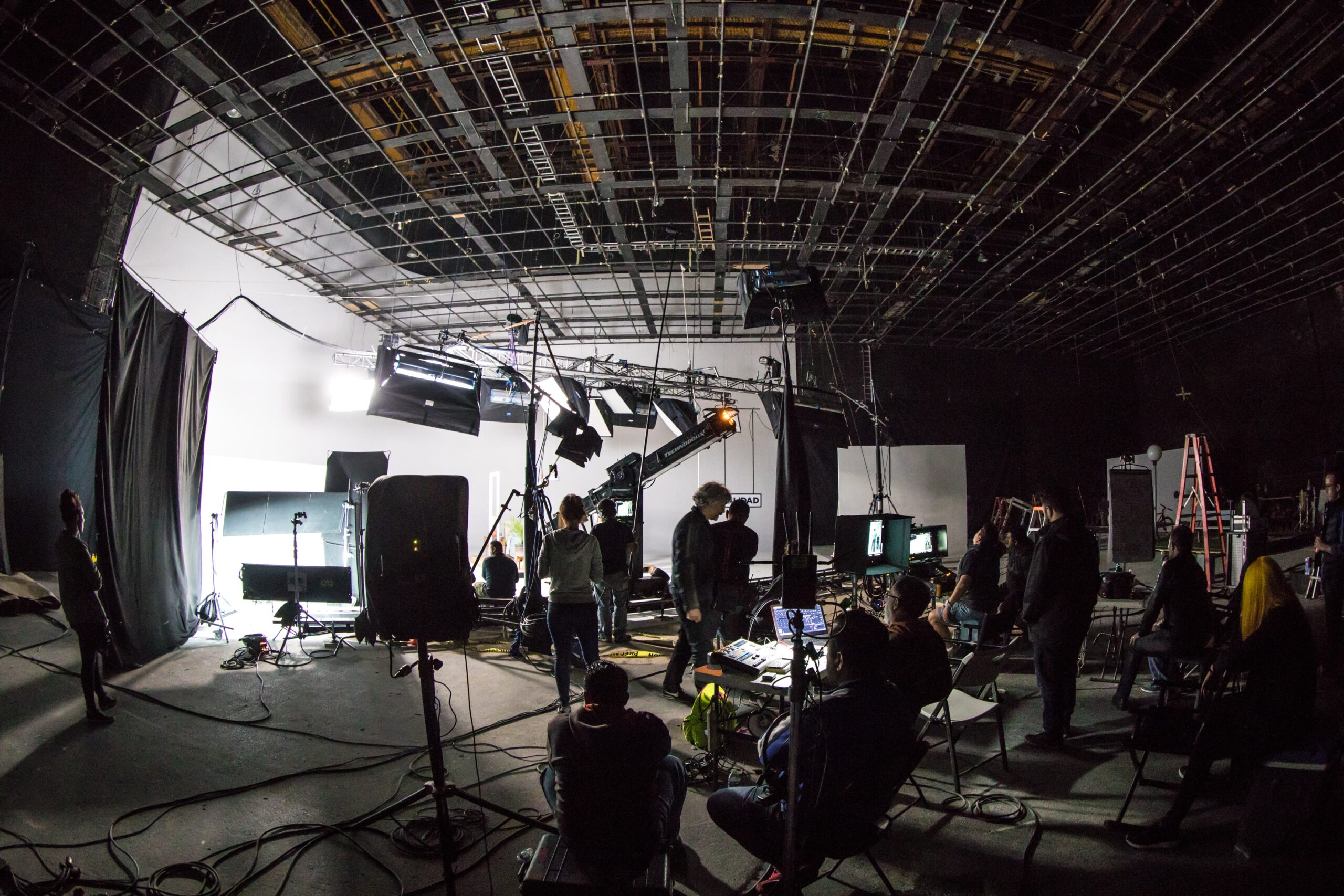
This is why what is in front of the camera and who is behind it is so important. Discrimination and exclusion, past and present, have led to a lack of participation by people from systemically excluded groups. Due to this, the stories we tell and the way we tell them have often reflected only a narrow slice of human experience. Inclusive teams create richer, more authentic storytelling.
In an ideal world, all people would be able to participate equally in society, but the reality is that not everyone has equal access to resources, opportunities, or benefits. People continue to experience racism, sexism, ableism, homophobia, and other forms of systemic discrimination that perpetuate exclusion. These inequities are the result of societal and historic patterns that we all have a responsibility to address.
Equity in action
Equity work requires action. Systems, environments, and opportunities must be created in order to actively remove barriers and redistribute access.
Storytelling has the power to shape individual and collective beliefs — including our biases. It can challenge stereotypes, open new perspectives, and create space for underrepresented voices to be heard and seen.
When production teams reflect the diversity of the world we live in, the stories that emerge are more authentic, more resonant, and more innovative. Inclusive teams:
- Capture a broader range of lived experiences.
- Offer perspectives that audiences may not have encountered before.
- Create work that feels more real, relatable, and impactful.
- Challenge harmful stereotypes.
A few principles for building an inclusive production team
- Inclusive Hiring Practices
- Seek out candidates through networks and directories that reach underrepresented communities.
- Partner with community organizations, training programs, and schools that support emerging talent from systemically excluded groups.
- Ensure job postings use inclusive, bias-free language and clearly outline accessibility accommodations.
- Build interview panels that reflect diversity in gender, race, and lived experience.
- Prioritize ongoing education
- Offer training on unconscious bias, equity, and cultural competency for all levels of production, from leadership to crew.
- Integrate learning into the workflow rather than treating it as a one-time event.
- Create equitable on-set environments
- Establish clear expectations for respectful behaviour, with zero tolerance for discrimination or harassment.
- Provide channels for crew to report concerns safely and confidentially.
- Ensure all crew members have equal access to information, decision-making opportunities, and mentorship.
- Provide fair pay and transparent contracts.
- Make sure sets are physically accessible for cast and crew and provide workarounds where needed.
- Respect cultural and religious needs (e.g., prayer breaks, dietary requirements).
- Encourage a culture where people feel safe speaking up and where feedback is acted upon promptly.
Resources for action
Talent Directories
Training & Allyship Courses
Mentorship & Career Development
Industry Equity Resource Hub
- RIFF Program Resource Hub – Creative BC
- Equity + Emerging Development Funding Program – Creative BC
- Legal Vault & Resources for Indigenous content creators and producers – Shine Network
Every story, every voice
An inclusive production helps shape the culture we live in. By bringing diverse perspectives behind the camera, we create space for stories that challenge us, inspire us, and reflect the full complexity of human experience. The work is ongoing and every action counts.